
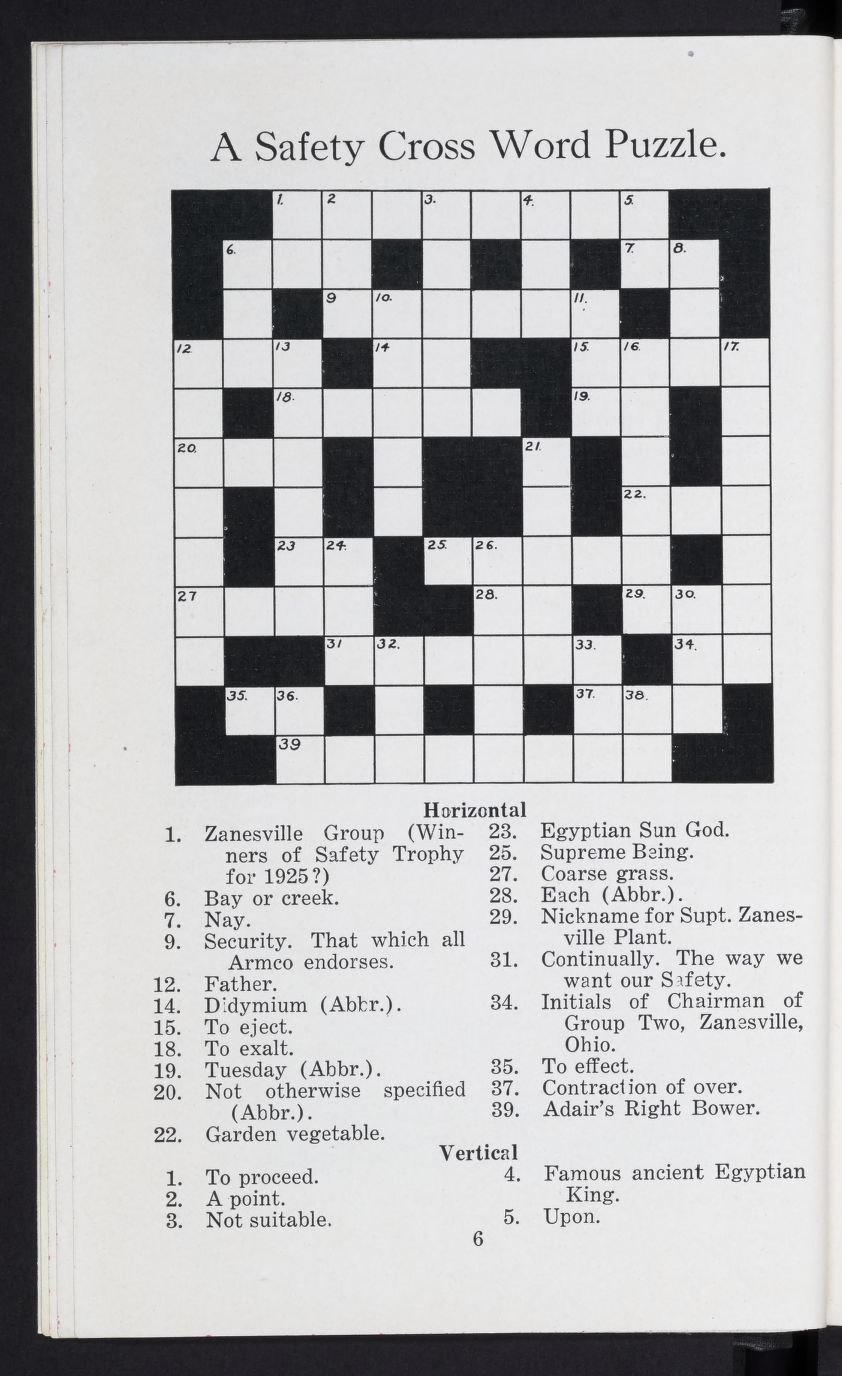
For millions of daily readers across North America, opening the usa today crossword is an indispensable morning ritual. Yet few pause to consider that the world’s most ubiquitous word game was born out of deadline panic on a chilly December afternoon in Manhattan over a century ago. What began as a temporary holiday filler for a Sunday paper sparked a cultural craze that reshaped modern publishing, baffled librarians, and created a universal language of wordplay.
The Accidental Genius of Arthur Wynne
The story begins in December 1913 inside the editorial offices of the New York World. Arthur Wynne, a Liverpool-born violin teacher turned journalist, was tasked with filling a blank page for the festive “Fun” supplement of the paper’s Sunday edition. Remembering a Victorian children’s parlor game called “Magic Squares,” Wynne drew a diamond-shaped grid with an empty center, numbered the horizontal and vertical lines, and supplied a list of straightforward clues.
On Sunday, December 21, 1913, the paper published “FUN’s Word-Cross Puzzle.” The feature was an instantaneous hit with readers, who flooded the newsroom with letters demanding more. A few weeks later, an inattentive typesetter accidentally flipped the hyphenated name to “Cross-Word.” The label stuck, and modern history’s most durable puzzle was officially named.
The 1920s American Crossword Craze
Throughout the Roaring Twenties, the crossword evolved from a fun newspaper novelty into an all-consuming national obsession. Train conductors complained that passengers were so absorbed in their morning grids that they routinely missed their stops. Department stores introduced crossword-patterned dresses and stockings, and dictionary publishers reported historic surges in sales.
In 1924, two young and ambitious entrepreneurs, Richard Simon and M. Lincoln Schuster, decided to publish a small collection of New York World crosswords bound in a hardcover book with an attached pencil. It was the very first publication from the newly minted company Simon & Schuster. The book sold over 300,000 copies in a matter of months, launching one of the most prestigious publishing houses in the world and proving that word puzzles were a massive commercial powerhouse.
Crossing the Atlantic to British Pages
While the crossword flourished in American tabloids, high-minded British editors initially resisted, decrying the puzzle as a temporary American fad that eroded public productivity. But reader appetite proved unstoppable. In 1924, London’s Sunday Express broke the ice by publishing the UK’s first newspaper crossword.
In 1930, the venerable and conservative The Times of London finally yielded, introducing its legendary daily crossword. British constructors quickly took the game in a distinct and devious direction, introducing “Cryptic” crosswords filled with anagrams, double definitions, and playful puns. By mid-century, solving the morning crossword had become an iconic badge of literacy and wit across the English-speaking world.
The Modern Legacy on USA Today
Over a century after Arthur Wynne’s diamond sketch, the usa today crossword represents the modern pinnacle of accessible, culturally vibrant puzzle construction. Championing lively contemporary vocabulary, diverse constructors, and clever, inclusive themes, it proves that the simple intersection of across and down letters remains as magnetic today as it was in 1913.
Frequently Asked Questions
Who invented the first modern crossword puzzle?
Arthur Wynne, a British-born journalist, created the first published crossword puzzle for the New York World on December 21, 1913.
How did Simon & Schuster start its publishing empire?
The legendary publishing house was founded in 1924 with a single title: a hardcover compilation of crossword puzzles with an attached pencil, which sold over 300,000 copies.
What is the difference between American and British crosswords?
American crosswords typically emphasize cultural trivia, clever themes, and interlocking letter grids with 180-degree rotational symmetry. British crosswords often feature cryptic clues filled with anagrams and wordplay.
Every time you pencil an answer across an empty white box, you participate in a living tradition of language and logic. Experience the joy of the solve with today’s usa today crossword on usa-today-crossword.com!